What Wasian Means: Exploring Mixed Asian and Western Heritage
In conversations about identity and culture, a relatively new term has emerged to describe a specific mixed-heritage experience: Wasian. The word blends "White" and "Asian" to name people who have one parent of European descent and one parent of Asian descent. While the term itself is informal, it captures a growing demographic reality in many Western countries and reflects how mixed-race individuals are shaping their own language around identity.
Understanding the Wasian meaning goes beyond a simple definition. It touches on how families navigate two distinct cultural traditions, how children develop a sense of self when they belong to more than one world, and how communities are slowly learning to make room for identities that do not fit neatly into old categories. For parents raising a child with mixed Asian and Western heritage, the term can be a useful shorthand, but it also raises questions about how to honor both sides of a family tree without forcing a child to choose one over the other.
Where the Term Comes From
Wasian is a portmanteau of "White" and "Asian." It follows a pattern seen in other blended identity labels, such as Blasian (Black and Asian) or Hapa (a Hawaiian term that has been adopted more broadly for mixed Asian heritage). The word has spread through social media, community forums, and everyday conversation, especially among younger generations who value self-definition over older categories like "mixed race" or "half."
The term is not official or medical. You will not find it on census forms or in academic journals, at least not yet. But its growing use shows a desire for a label that feels personal and specific. For many people, saying "I am Wasian" feels more accurate than saying "I am mixed" because it names exactly which cultures are in the mix. It also signals a shared experience with others who navigate the same combination of traditions, physical traits, and social perceptions.
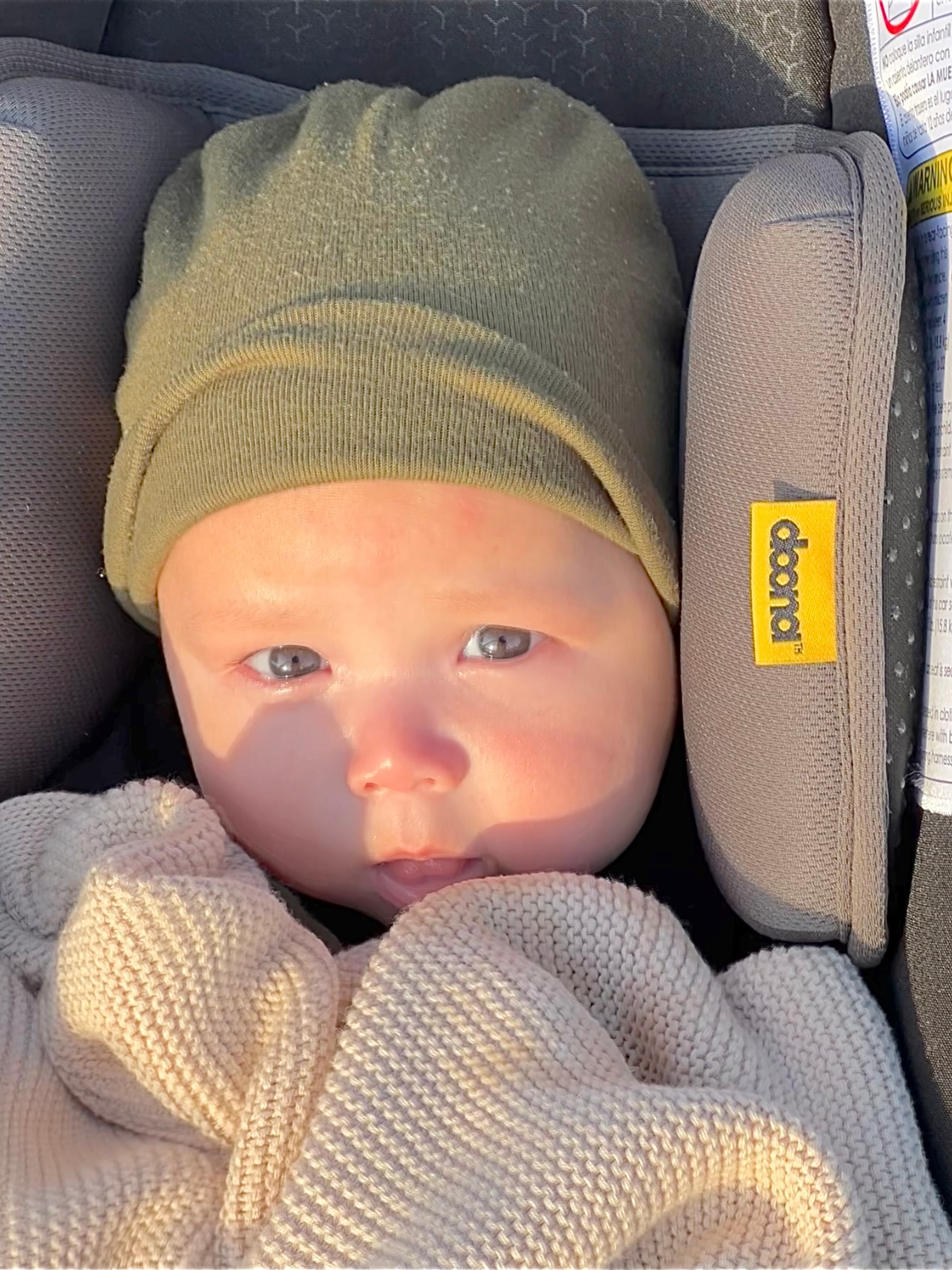
What Wasian Meaning Looks Like in Daily Life
The Wasian meaning is not the same for everyone. A person raised in a multicultural family might celebrate Lunar New Year with one side of the family and Thanksgiving with the other. They might speak English at home but learn phrases in Mandarin, Japanese, Korean, or another Asian language from grandparents. Their physical appearance might lead strangers to ask "What are you?" or to make assumptions about their background that do not match how they see themselves.
For parents of a Wasian child, the term can be a helpful tool for explaining their family structure to others. It can also be a starting point for conversations about race and identity with the child as they grow. Children who understand that there is a name for their background may feel less isolated and more connected to a broader community of people like them. At the same time, the label is not something every mixed-heritage person chooses to use. Some prefer "biracial," "multiracial," or simply to name their specific ethnicities. Respecting that choice is part of the broader work of supporting a child's identity development.
Identity Development in Mixed-Heritage Children
Children with mixed Asian and Western heritage often develop a sense of identity that is fluid rather than fixed. They may feel more connected to one side of their heritage at different ages or in different settings. A child who feels fully accepted in both cultures may not think much about the label at all. Another child, facing questions or stereotypes from peers, may become more conscious of how others perceive them.
Research on biracial child development (though limited) suggests that children who grow up with open conversations about race and culture tend to have stronger self-esteem and more secure identities. This is where the practical meaning of a term like Wasian comes into play. When a family uses the word naturally and positively, it normalizes the child's experience. When schools, doctors, and community spaces also recognize and respect mixed identities, the child has an easier time integrating all parts of who they are.
Parents can support this process by exposing children to both cultures in everyday ways: through food, music, stories, holidays, and relationships with extended family. It is not necessary to create a perfect balance or to treat both cultures identically. What matters more is that the child sees each heritage as valued and that they are free to explore both without pressure to pick a side.
Multicultural Families and Daily Rhythms
Raising a child in a multicultural family involves practical decisions that reflect the Wasian meaning in action. Parents might decide how to handle naming traditions, religious practices, or dietary customs. They might figure out how to explain family history in a way that makes sense to a young child. They also navigate how to respond when extended family members do not fully understand or accept the other culture.

These challenges are manageable with open communication and a willingness to adapt. Many families find that creating new traditions that blend elements from both cultures works better than trying to replicate either one exactly. For example, a family might celebrate both Lunar New Year and Christmas, or they might create a unique holiday meal that includes dishes from both sides. The goal is not authenticity in any single tradition but rather a sense of belonging and joy for the whole family.
Cultural Fusion and Community
As the number of mixed-heritage families grows, so does the visibility of cultural fusion. Media representation of Wasian individuals is increasing, and products designed for mixed-heritage children are becoming more common. Online communities offer spaces where parents can share experiences, ask questions, and find resources tailored to their specific combination of cultures.
The Wasian meaning also evolves as these communities grow. What started as a casual internet term is now part of a larger conversation about how to honor heritage without being limited by it. For some families, the word opens doors to books, toys, and clothing that reflect a mixed identity. For others, it simply provides a way to say "this is who we are" in a few syllables.
At its core, the term is about recognition. It acknowledges that a person can belong fully to two cultures without being half of each. It challenges the old assumption that identity must be singular and clear-cut. And it gives families a language to talk about something that many parents already feel: that their child is not caught between two worlds but is part of creating a new one.
Practical Tips for Parents
If you are raising a child with mixed Asian and Western heritage, here are a few approaches that can help:
- Talk openly about race and culture from an early age, using age-appropriate language. Answer questions honestly and invite your child to ask more.
- Expose your child to both cultures through books, music, films, and food. Let them see themselves reflected in stories from both sides of their family tree.
- Connect with other multicultural families, either locally or online. Shared experience can reduce feelings of isolation and provide practical advice.
- Let your child lead the way as they grow. Their interest in each culture may shift over time, and that is normal.
- Be ready to correct others gently when they make assumptions about your family. Modeling how to handle those moments teaches your child resilience.
These steps are not about achieving a perfect balance. They are about creating a home environment where all parts of your child's identity are visible and valued.

Beyond the Label
The Wasian meaning ultimately points to something larger than one term. It reflects a shift in how people understand heritage, belonging, and family. Labels can be helpful, but they are not the whole story. What matters more is the daily work of raising a child who feels secure in who they are and connected to the people and traditions that shaped them.
For parents, the goal is not to get every cultural detail right or to produce a child who can check every box on a heritage checklist. The goal is to raise a child who knows that they are loved, that their identity is valid, and that they belong to a family that honors both sides of their background. In that sense, the word Wasian is just a starting point. The real work happens in the small, everyday moments of family life.